
Dart points are like the heartbeat of your dart game. They pierce the board, ensuring your throws count. Without them, even your best shots wouldn’t matter. These little spears come in several styles, and each one offers something a bit extra to your gameplay.
There are a few main types to know about: fixed, retractable, and moveable. Fixed points are the classic kind, sturdy and reliable. Retractable points are like the cool kid on the block, reducing bounce-outs. Then there’s the moveable points, offering a bit of give when hitting the board, ideal for those seeking to minimize damage to their dartboard and improve stick rates.
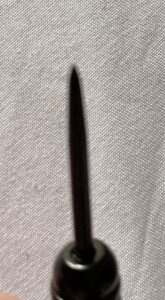
You’ll find dart points are made from different materials, too. Steel is the go-to for many dart players because of its strength. Some darts might have tungsten points for added weight without extra bulk. The material can really affect how the dart feels and handles.
In terms of specs, the standard length for a dart point is around 32 millimeters, although you can get them longer or shorter if needed. Thicker points might offer better grip but can also cause more wear and tear on your board. Choosing the right point size and type can make or break your game.
How to Replace Dart Points: A Step-By-Step Guide
Replacing dart points isn’t rocket science, but getting it right is crucial for performance. Here’s how you can handle this with ease. First up, gather the necessary tools: a vise or firm surface to hold the dart in place, a dart point replacement tool, and possibly a small hammer to help dislodge stubborn points.
Start by securing your dart firmly in the vise, but be careful not to damage the barrel. You want it snug but not overtightened. Then, use the dart point replacement tool and carefully twist the existing dart point counter-clockwise until it comes loose. If it’s stuck, gently tapping with a hammer can help, but proceed with caution to avoid damaging the dart.
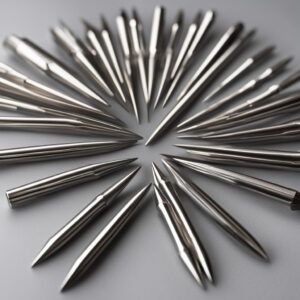
Once the old point is out, it’s time to slide the new point in. Align it correctly and make sure it fits snug. Sometimes, a bit of twisting combined with gentle pressure will do the trick. With the new point in place, ensure it’s firmly seated by testing its stability before use.
While it sounds straightforward, getting this process wrong can lead to uneven throws. So, take your time and don’t rush. Ensure everything’s aligned perfectly. These tips should have you swapping dart points with confidence, keeping your darts in top form.
DIY Dart Point Repointing: Tips and Tricks
Doing a little DIY work on your darts can be satisfying, especially when it comes to repointing them. So, can you repoint darts yourself? Absolutely, with the right know-how! Repointing doesn’t just give your darts a new lease on life; it can enhance your gameplay, too.
Deciding when to repoint instead of replacing is the first call. If your points are only slightly worn but still structurally sound, a quick repoint might do the job. Repointing can be faster and cheaper than replacing the entire point, especially if the dart set is uniquely balanced or tailored.
For those thinking about tackling this at home, be aware of some pros and cons. Doing it yourself means you can save money and customise the points exactly how you like them. But, there’s always a risk of messing up if you’re not careful, leading to a dart that’s worse for wear.
Thinking of giving it a go? Here are some tips to get it right. Always ensure you’re working in a well-lit area. Having a dart point sharpener on hand can help smooth the finish after you’ve set the new point. And, for the best results, take it slow and don’t rush the job. A steady hand and a bit of patience can go a long way with DIY repointing.
Choosing the Right Dart Points for Enhanced Gameplay
The choice of dart points can significantly influence how you play. Pros know this, and their preference often sets the standard. They lean towards points that offer a balance of durability and precision, usually opting for tungsten or specialised steel points due to their excellent weight distribution and strength.
When selecting dart points, several factors come into play. Consider the grip, which influences how steady the dart feels in your hand. The weight is crucial too—heavier points can offer better control but may require more strength to throw. And, of course, the material matters, as it impacts the point’s durability and effectiveness.
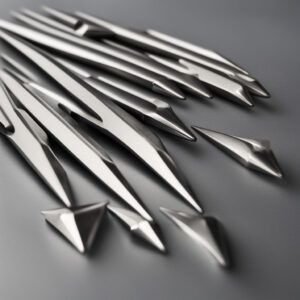
Using the right dart points can really step up your accuracy and consistency. They offer better board penetration, meaning fewer bounce-outs, so you can focus on refining your skills. For those just starting out, experimenting with different types of points can help find what suits your style.
Recommendations vary based on skill levels. Beginners might start with standard steel points that are reliable and affordable, while more advanced players could opt for precision-crafted tungsten points that provide optimal balance. Finding the right fit can give you that edge, boosting confidence and performance in your game.